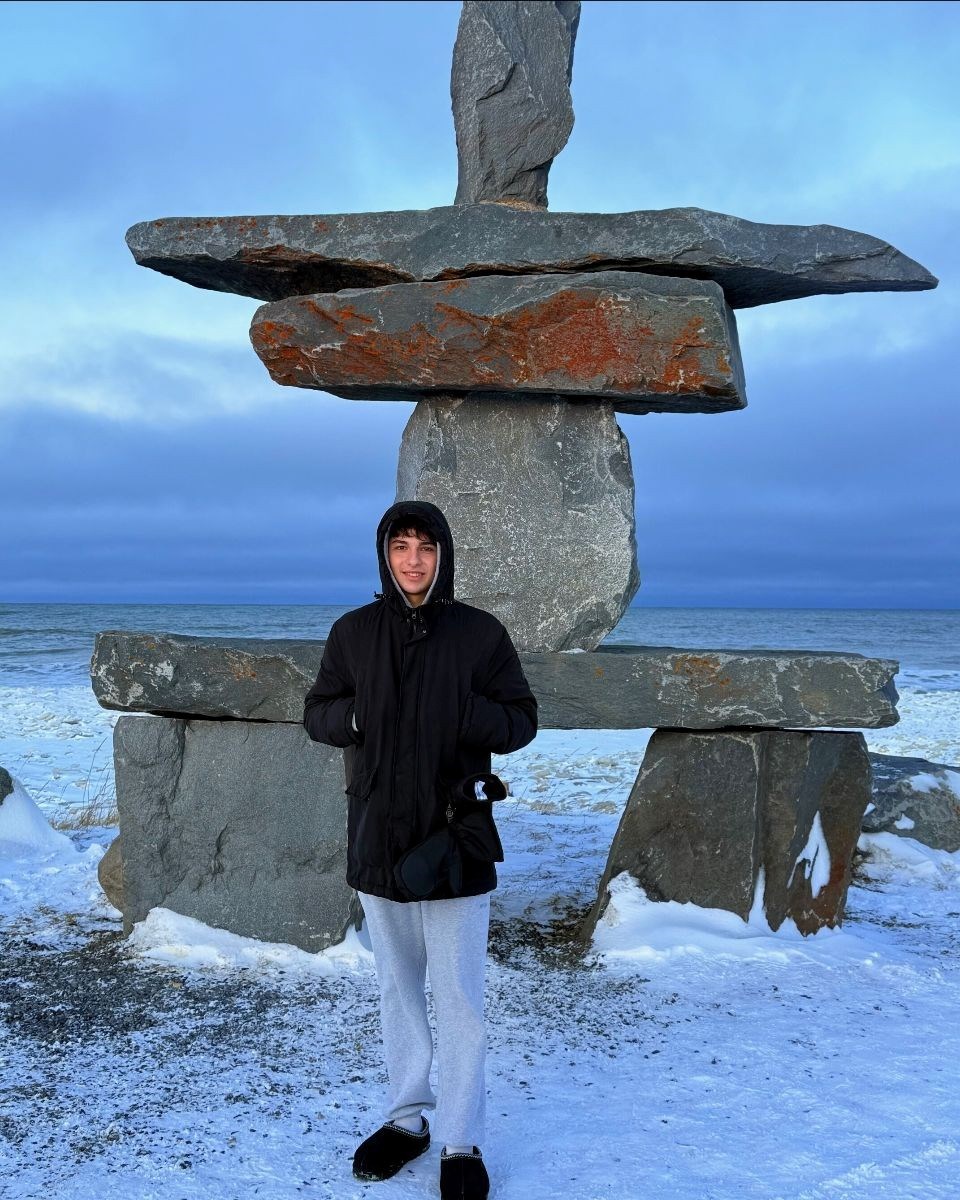
 In 2025, SJASD’s
International Student Program (ISP) planned our first student trip. In November, we took a small group
of students to Churchill, Manitoba. In past years,
international students and their parents have asked what educational and
cultural trips may be offered to our students while they are with us. This year
we had an answer. Specifically, we have this amazing location right in our own
backyard (after a 28 hour bus and train journey!) where we can experience the
beauty of Hudson Bay and the tundra, see polar bears in the wild, learn about
Indigenous culture and life in the North, and discover the subarctic research
being done in Churchill by scientists from around the world. Churchill was a
natural choice to offer our students, and there was a lot of excitement about
the trip.
In 2025, SJASD’s
International Student Program (ISP) planned our first student trip. In November, we took a small group
of students to Churchill, Manitoba. In past years,
international students and their parents have asked what educational and
cultural trips may be offered to our students while they are with us. This year
we had an answer. Specifically, we have this amazing location right in our own
backyard (after a 28 hour bus and train journey!) where we can experience the
beauty of Hudson Bay and the tundra, see polar bears in the wild, learn about
Indigenous culture and life in the North, and discover the subarctic research
being done in Churchill by scientists from around the world. Churchill was a
natural choice to offer our students, and there was a lot of excitement about
the trip.
During our trip, we
stayed at the Churchill Northern Studies Centre, a non-profit
facility where scientists come to conduct research, partially funded by hosting
school and tour groups in a wing of dormitories above the laboratories. When we
arrived at the Centre, we had to wait on the transport vans while Centre staff drove
off a polar bear prowling around the front of the building looking in the
windows—our first polar bear sighting! After an introduction to the Centre, we
took a bus tour of the nearby Rocket
Range—an abandoned research facility that had been used in the
past by the U.S. military to study the atmosphere and aurora borealis—and then
explored the town of Churchill. Next, we had a guided tour of the Churchill Marine Observatory,
a new and innovative University of Manitoba research facility next to Canada’s
only Arctic deep-water port. Scientists come here to study marine Arctic life,
and a new group of scientists had just arrived to study the effect of bacteria
on oil spills in Arctic waters. It was fascinating to see the huge indoor pools
of Arctic water in the facility, while the lower-level windows looked right
onto Hudson Bay.
We then went to a Parks
Canada facility, where a Conservation Officer (and former Collège Sturgeon Heights Collegiate
graduate) delivered a presentation about the plant and animal life of Wapusk National Park,
the studies being done there, and his work in fire prevention and control.
Students got the chance to handle different types of bear skulls, fur pelts,
and hold a piece of permafrost.
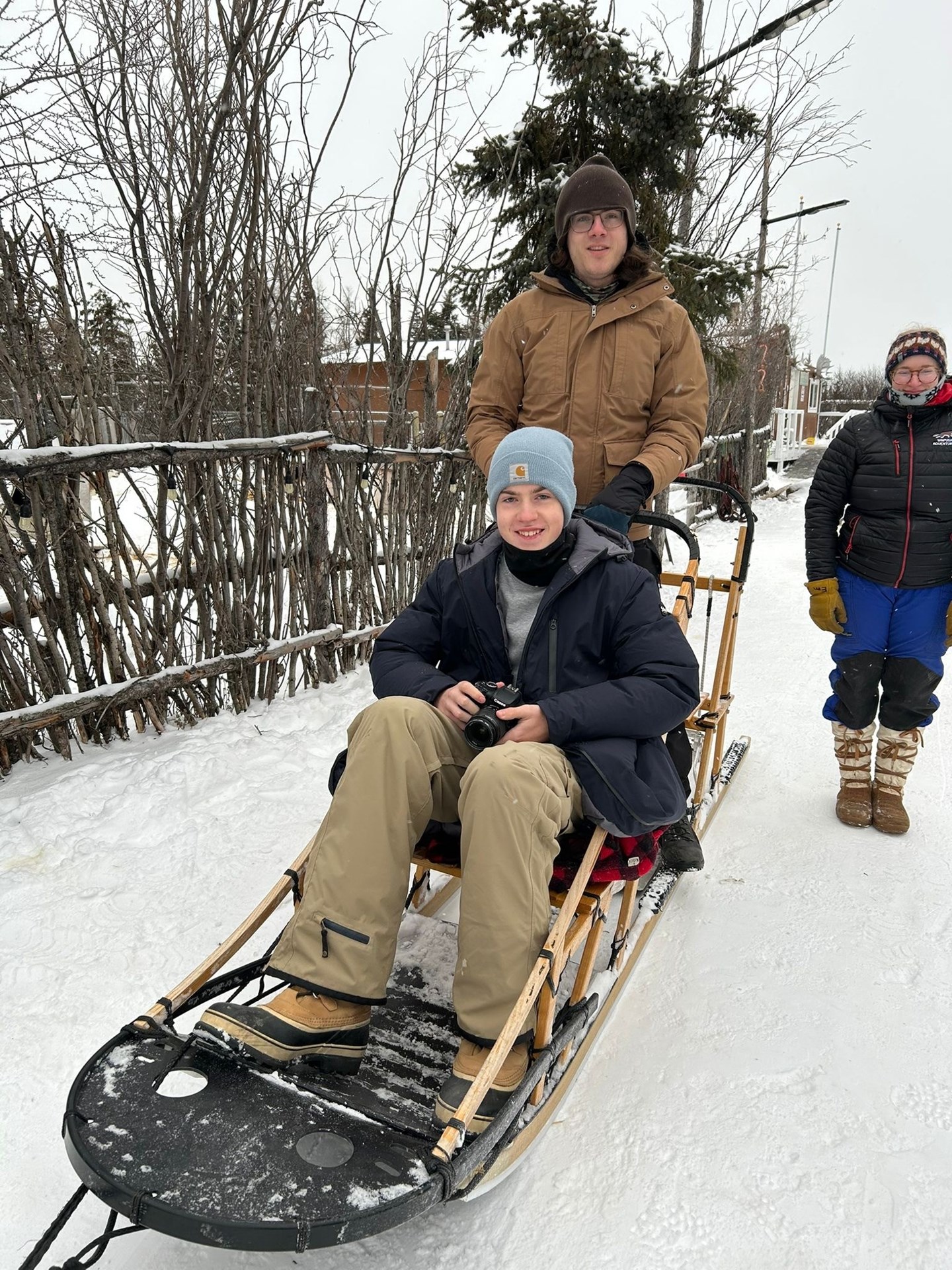
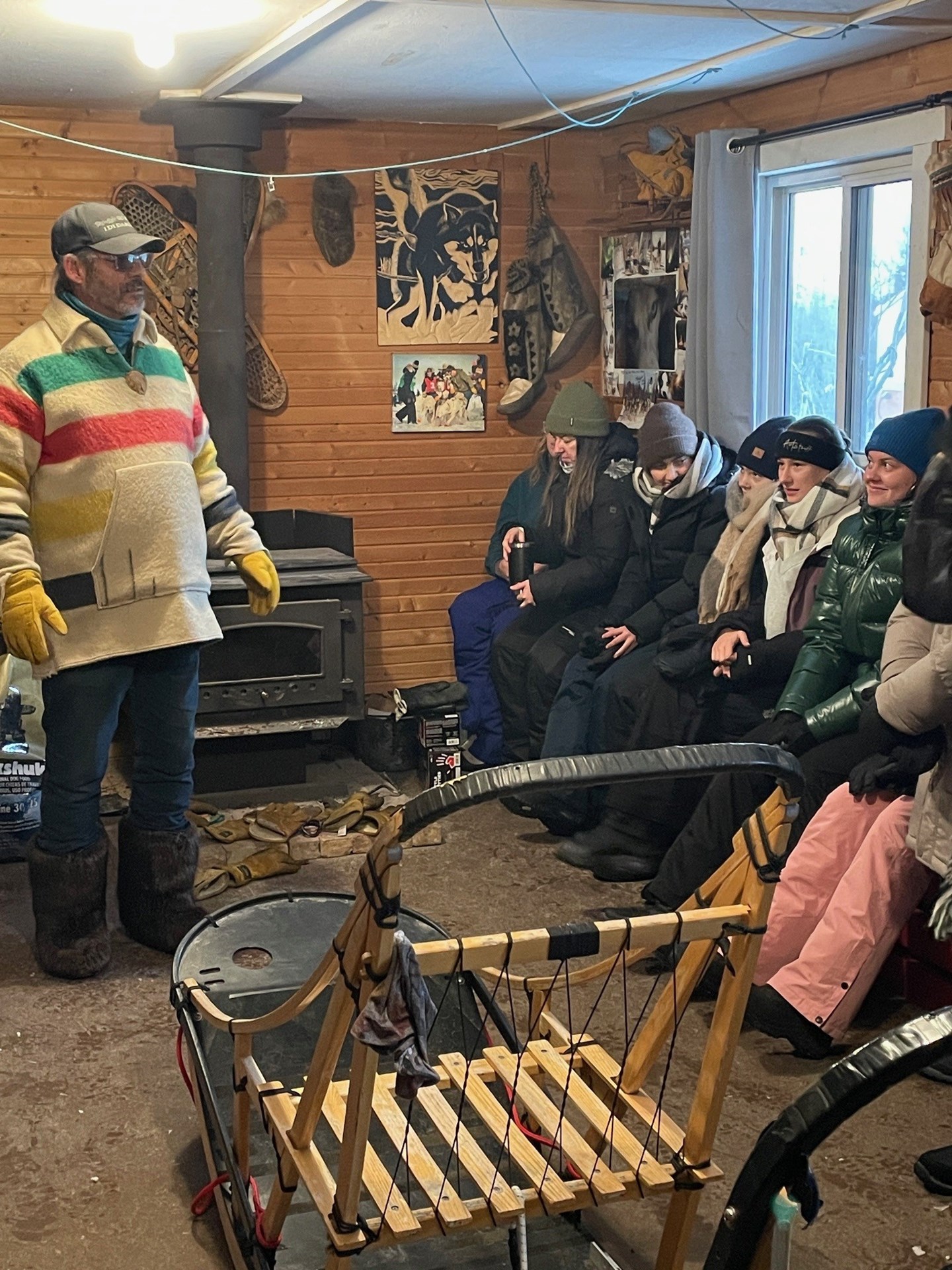
The next day, we went
dogsledding and learned about the history and culture of dogsledding in Canada
and Manitoba from Dave Daley, a world-renowned Indigenous dog musher.
Dave and his team took us out on the dog sleds at the beginning of a blizzard
(an unforgettable experience). In the afternoon, a Métis artisan taught the students
beading and mitten making, and we went ice skating at the
Churchill town complex.
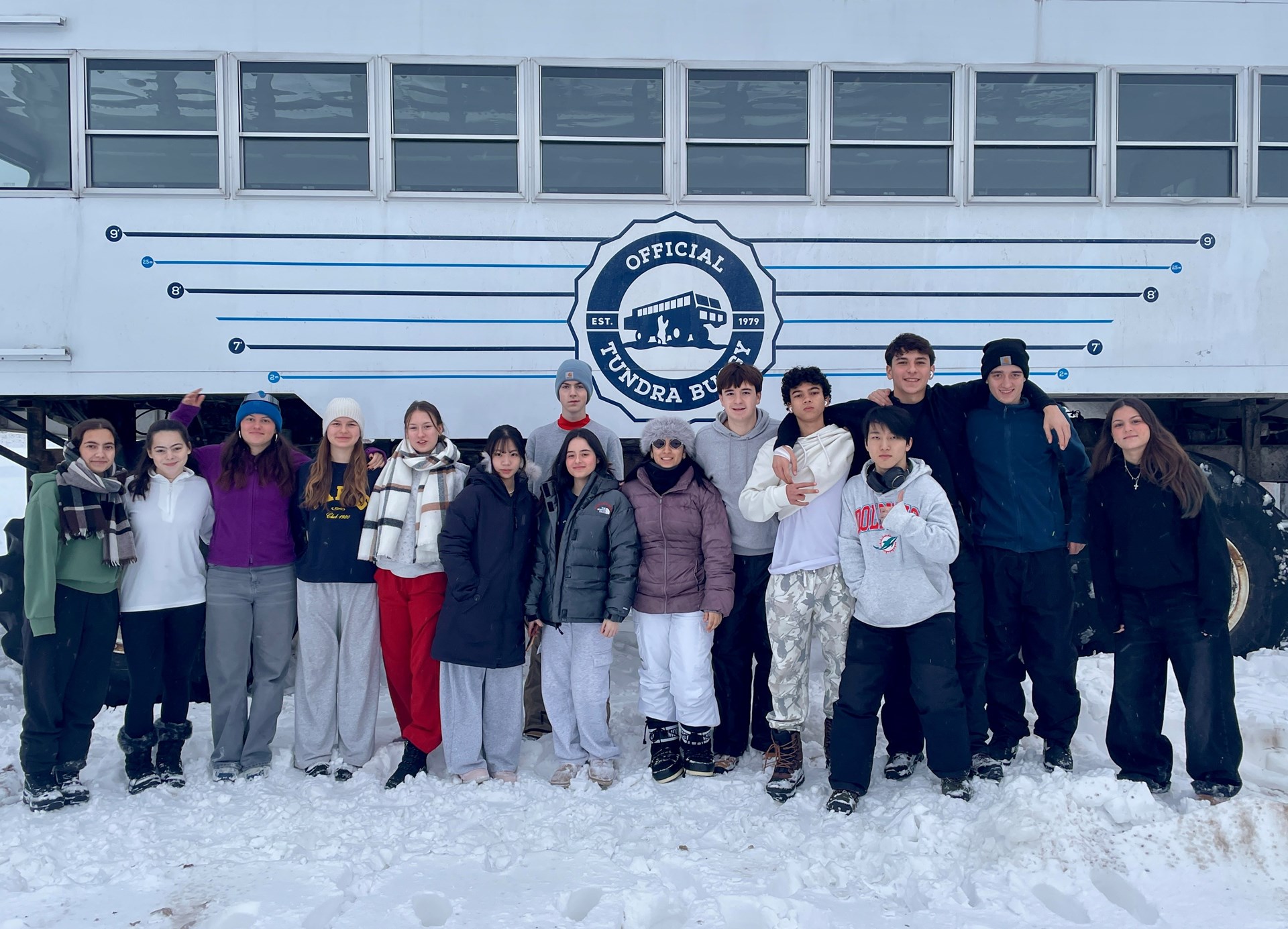
Our final day in Churchill
was spent entirely on a tundra
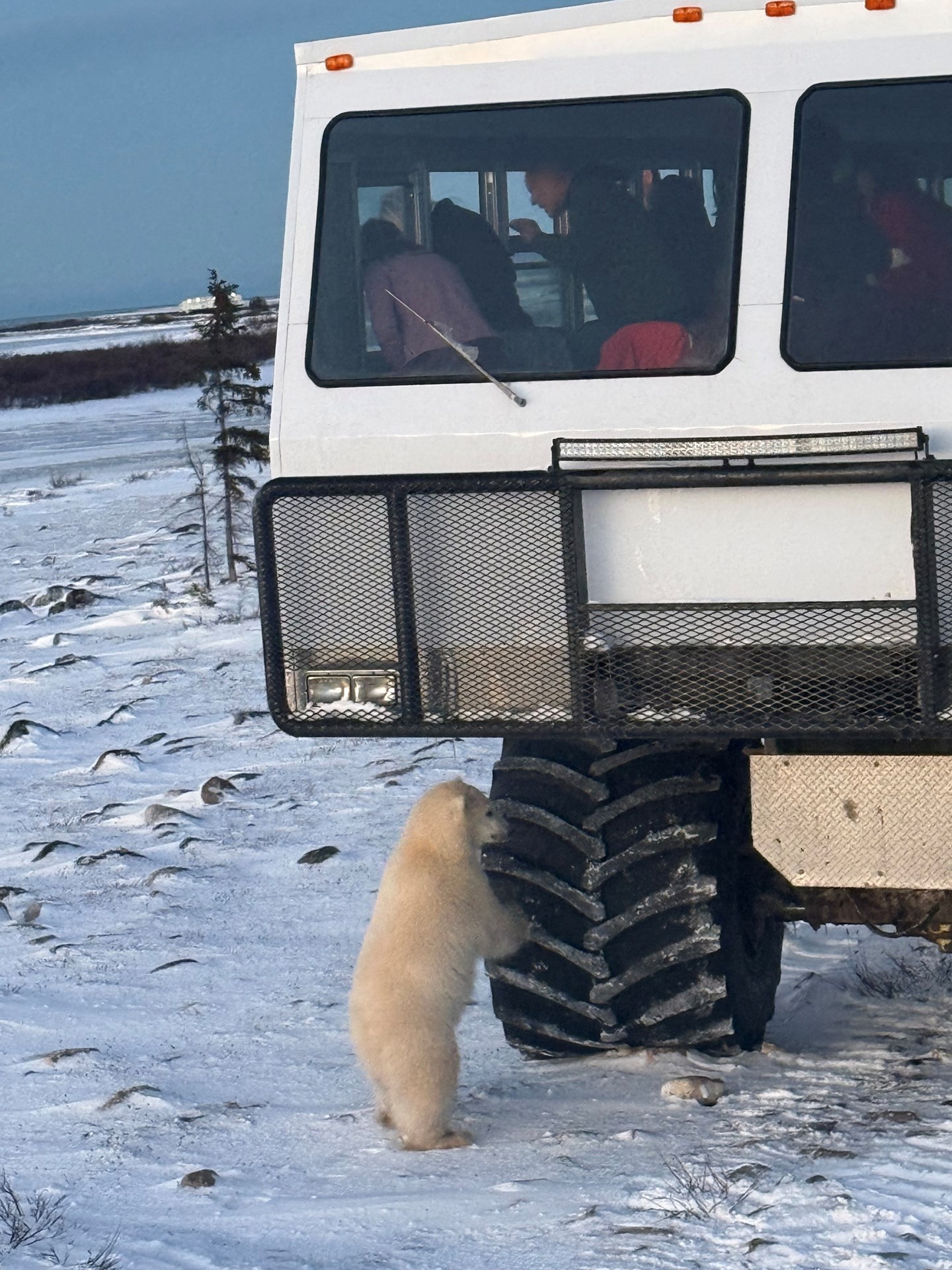
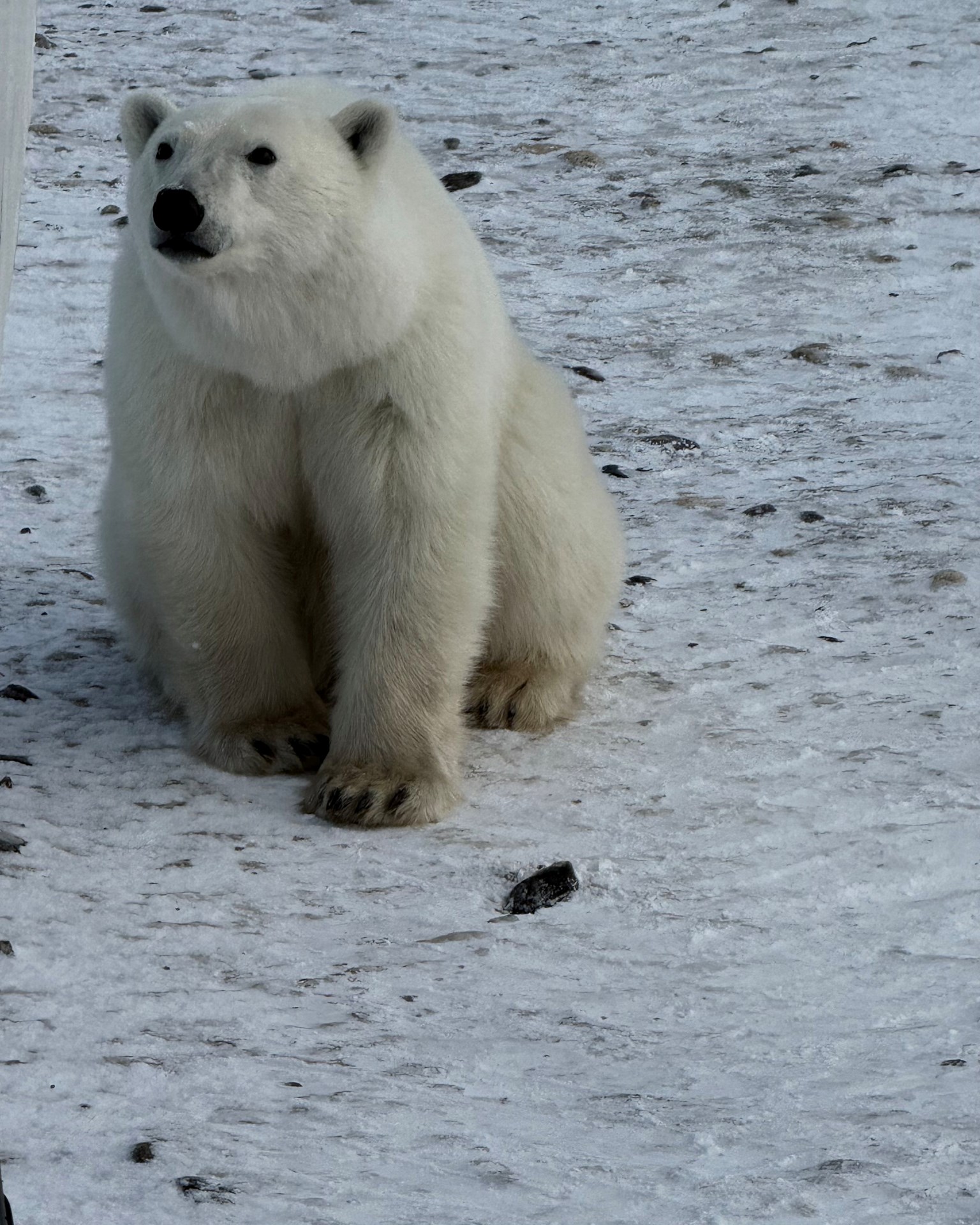
buggy polar bear tour. Our fantastic guide drove us over the
tundra all around Hudson Bay, and we saw a tremendous number of polar bears. We
saw many up close—some came right up to our buggy to take a look at us too.
Seeing the polar bears in their natural habitat was a very different experience
than seeing them in a zoo, and we were all awestruck.
While observing polar bears
in the wild was the main focus of the trip, learning about the extensive
scientific research being done in Churchill and seeing the beauty of the
Manitoba tundra and Hudson Bay were additional unexpected highlights. Students were amazed at the
uniqueness of the location and the weather and were able to see amazing
northern lights from the observation deck of the Research Centre along with a
polar bear mother and her cub prowling around at night. They
met interesting people who have chosen to live and work in such a remote
location and heard their stories. This trip gave our students a rich cultural
experience of Canada’s North and, as many told us, the experience of a
lifetime.
-originally published in The Connector, SJASD staff e-newsletter in December 2025.


